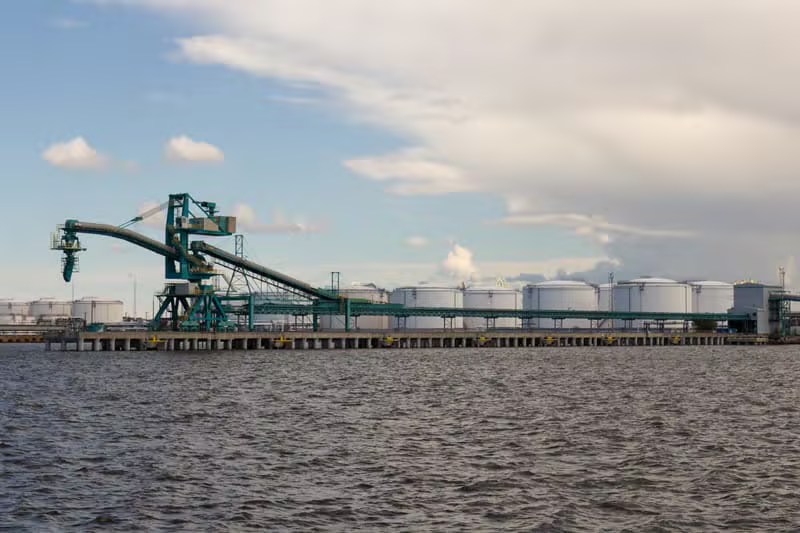
Ammonia infrastructure already exists across the continent: jetties, refrigerated tankage, rail links and trained operators. That is a considerable head start. Replacing the natural gas currently feeding those plants with renewable hydrogen does not change how the molecule is moved; it changes what it costs the atmosphere.
For exporters, the commercial logic is straightforward. Buyers in Europe and Asia are progressively pricing carbon into fertiliser and fuel contracts. A producer who can show a verified green ammonia chain holds a durable advantage over one relying on grey supply.
The binding constraints
They are not storage or shipping. They are firm renewable power, water treatment at scale, and the finance to build electrolysis in front of an existing synthesis loop without interrupting current production.
Projects that tackle the power and water questions first tend to reach financial close fastest.